
5 hr
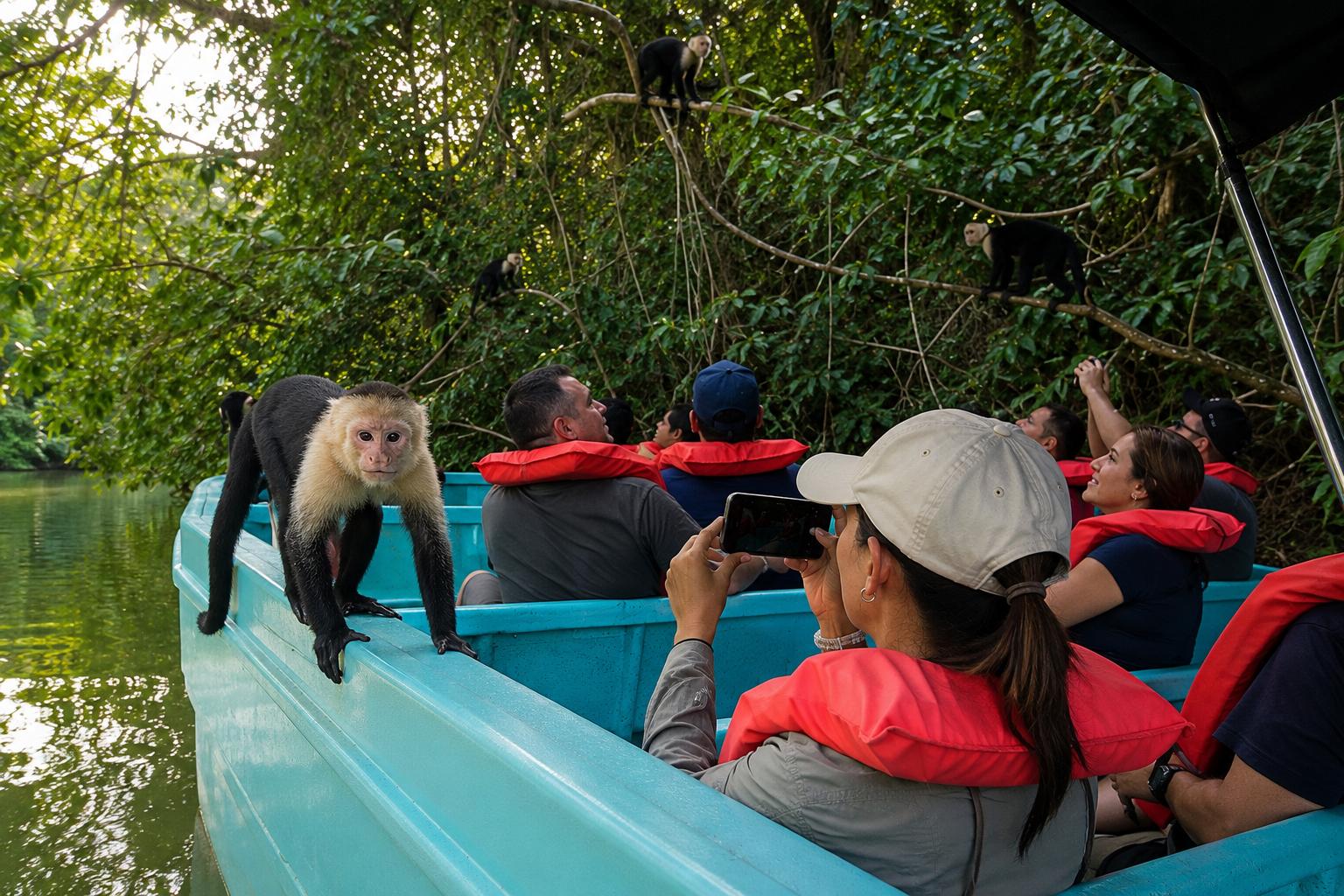
Panama Wildlife Safari & Canal Boat Adventure
Safari truck exploration, river cruise past cargo ships, and close encounters with three monkey species
Reserve
Hand-picked by our editors — only the best 5 experiences from 18 reviewed.
Verified partners for every tour, free cancellation where available, and instant confirmation on every booking.
5 hr
Safari truck exploration, river cruise past cargo ships, and close encounters with three monkey species
Reserve
5 hr
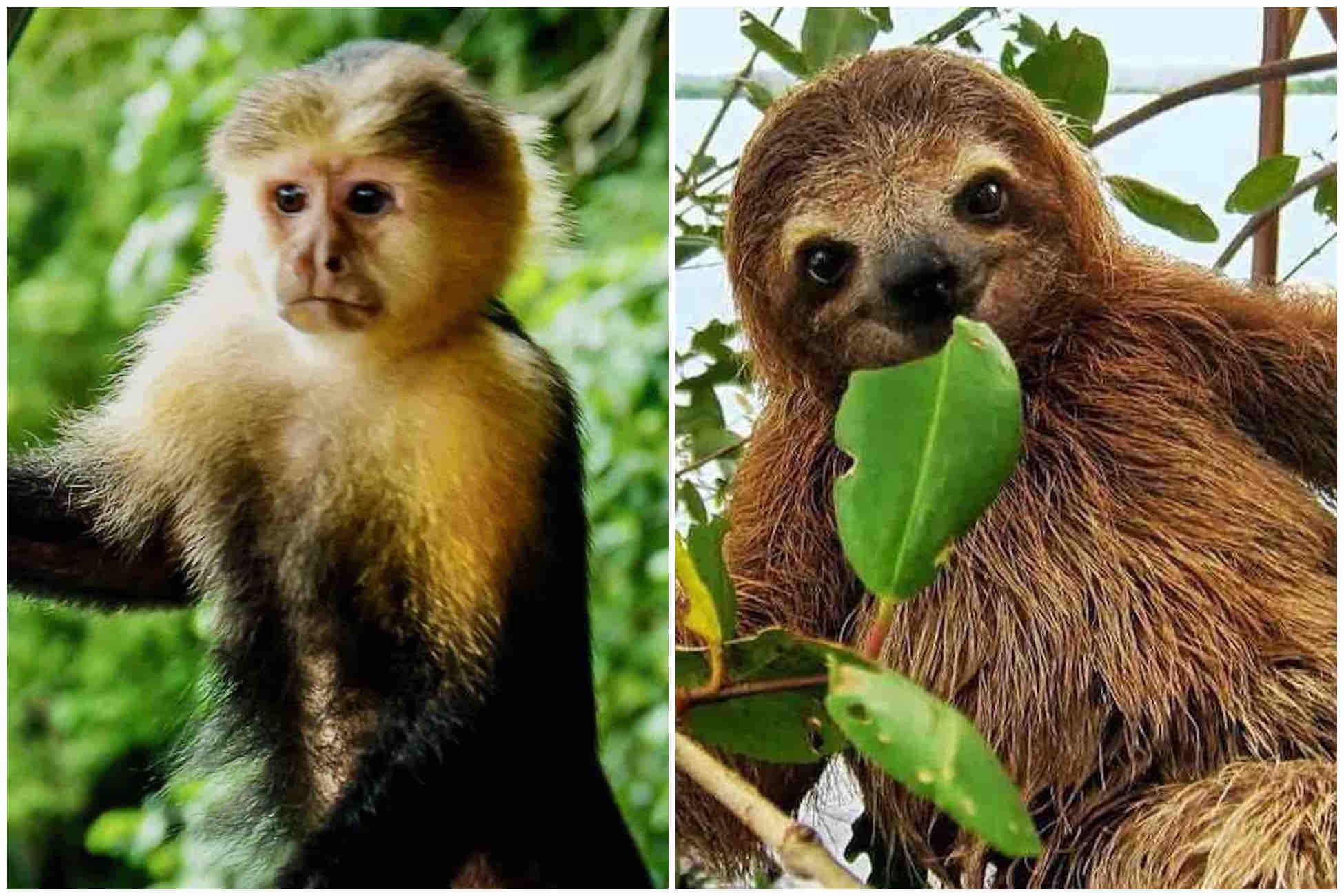
Cruise through the Panama Canal, meet wild monkeys, visit rescued sloths, and explore tropical gardens
Reserve
5 hr
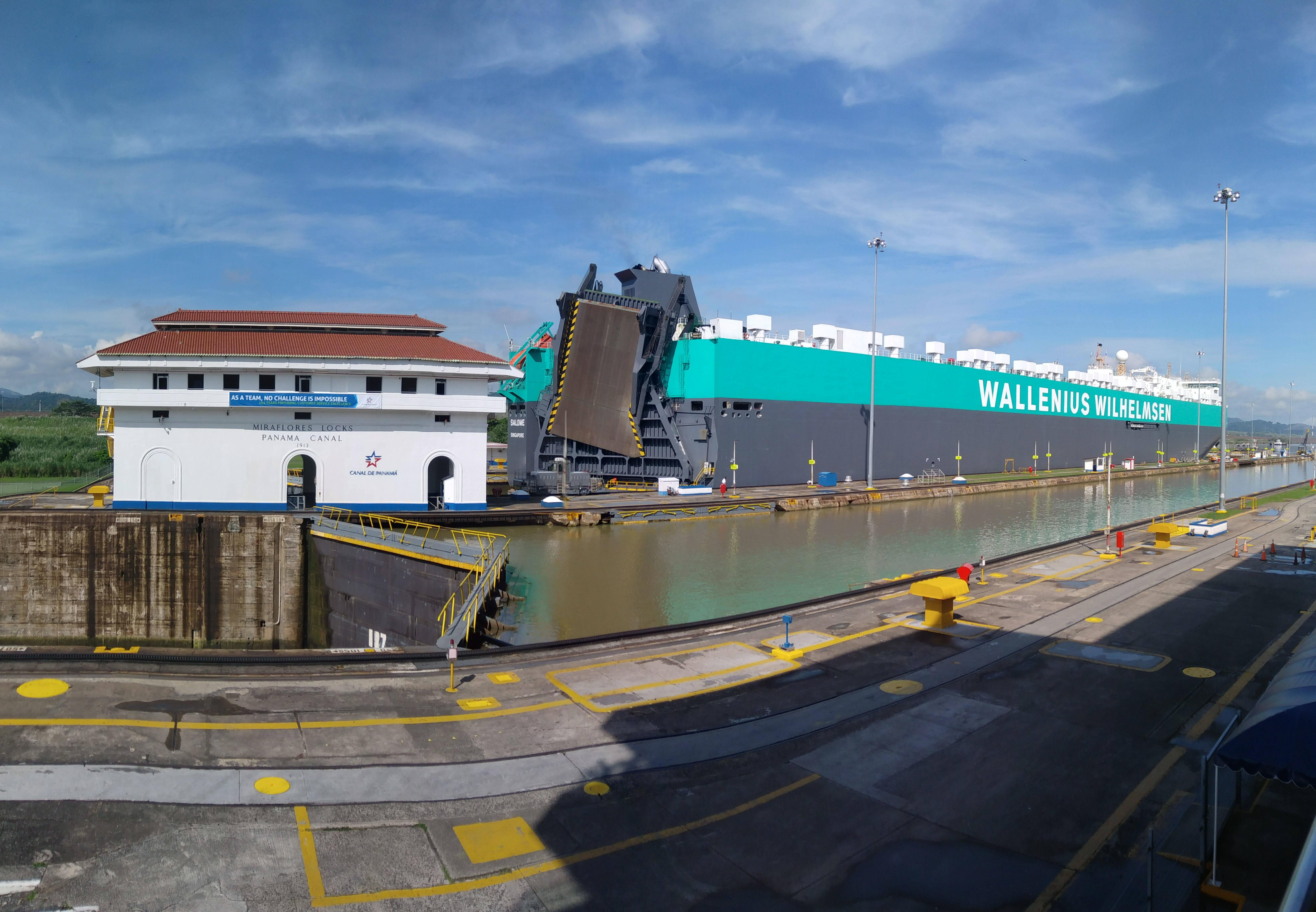
Navigate the legendary canal, witness massive locks in operation, and meet island monkeys on Gatun Lake.
ReservePrices from verified partners. Availability updates in real time at checkout. Free cancellation policies apply where shown.
The landmarks, rooms, and views travelers on this tour remember — all visible on a single visit.
Observe large troops of macaques in their natural forest home.
They serve distinct purposes; most travelers find the former better for immersive nature, while the latter offers a deeper dive into wartime history. Choosing the right can gio mangrove & monkey island trek tour depends on whether you prefer active wildlife observation or subterranean exploration.
| Feature | Top pick Can Gio Forest | Cu Chi Tunnels |
|---|---|---|
Primary Focus |
Ecology and wildlife | Wartime history |
Terrain |
Wetlands and forest paths | Underground tunnels and jungle |
Physical Intensity |
Moderate walking | Moderate to high (crawling) |
Historical Significance |
Minimal | High (Vietnam War era) |
Travel Time from HCMC |
1.5–2 hours | 1.5–2 hours |
Wildlife Interaction |
High (monkeys and crocodiles) | None |
| See tickets → |
Verdict: Opt for the can gio mangrove & monkey island trek tickets if you prioritize biodiversity and swamp landscapes over the claustrophobic, tactical history found at the tunnels.
Choose your ticket, select your date, and reserve in under two minutes. Secure checkout handled by our verified partner.
Instant confirmation by email, with a mobile voucher you can save offline. No printing, no queuing at a collection desk.
Arrive at the entrance, show your voucher on your phone, and walk in. Most tickets include priority or skip-the-line access.
Practical details for your visit straight from our verified partners — hours, access, rules, and how to get there.
Rung Sac Street, Can Gio
Look for the official entrance signage
Direct drive from Ho Chi Minh City center
Wear light, breathable clothing and comfortable walking shoes suitable for muddy paths. A hat and long sleeves are recommended to protect against sun and insects.
Keep belongings secure as monkeys are known to snatch bags and loose items. No lockers are provided, so carry only necessary equipment.
Photography is permitted throughout the Can Gio Mangrove Forest. Do not use flash when near wildlife to avoid agitating the monkey population.
The terrain features uneven wooden boardwalks and natural trails. Visitors with mobility issues may find the deeper sections of the Can Gio Mangrove & Monkey Island trek challenging.
Mobile signal is inconsistent within the dense forest. Download offline maps before beginning your Can Gio Mangrove & Monkey Island trek.
The area is suitable for older children who can navigate uneven paths. Always supervise young children closely, particularly when interacting with wildlife.
Limited dining options are available near the entrance, offering local seafood. Carry reusable water bottles to stay hydrated during the Can Gio Mangrove & Monkey Island trek.
Pets are strictly prohibited to protect the native wildlife ecosystem. This policy ensures the safety of both domestic animals and the resident primates.
The Can Gio Mangrove & Monkey Island trek is a protected UNESCO Biosphere Reserve. Please follow all posted signage to minimize your environmental footprint.
Best time to go, insider tips, nearby landmarks, and the cancellation fine print — flip through to skim what matters to you.
How crowds, weather, and events shift across the year.
Dryer weather makes trail walking comfortable.
Small details that turn a good visit into a great one.
Reach the entrance between 07:00–09:00 to avoid midday heat.
Non-bookable sights within a short walk — free to visit, easy to pair.
Provides additional boat excursions and bird observation towers.
Flexible, no hidden fees.
Cancellations made 24 hours in advance are eligible for a full refund. Entrance fees of 100,000 VND are included in tour packages and subject to operator terms.
Hand-picked options within walking distance — pick a district for vibe, or a specific hotel for convenience.
Convenient location for visitors planning a multi-day stay.
Can Gio Mangrove Forest holds the distinction of being Southeast Asia's first UNESCO Biosphere Reserve designated within a major metropolitan boundary, recognized in 2000 for conserving 75,740 hectares of tidal wetland less than 50 kilometers from downtown Ho Chi Minh City. The forest you walk through today is a reconstruction. American herbicides defoliated the entire Rung Sac zone during the 1960s, leaving salt flats where guerrilla units once hid beneath mangrove canopies. Replanting began in 1978 under a government reforestation program that enlisted thousands of volunteers to hand-plant Rhizophora and Avicennia saplings across devastated tidal plains. By the mid-1990s, the regenerated forest had matured enough to support resident wildlife, and in 1998 the core zone reopened as a conservation park with elevated boardwalks threading through recovered stands. The mangrove ecosystem functions as both nursery and storm buffer. Prop roots trap sediment carried by the Dong Tranh River, building land at a rate of several meters per decade while filtering runoff before it reaches the South China Sea. The forest canopy shelters 152 bird species, including the globally vulnerable milky stork and painted stork, which nest in mixed colonies on islets inaccessible to ground predators. Mudskippers and fiddler crabs occupy the intertidal zone, emerging at low tide to forage across exposed mud. The park's 1,400 long-tailed macaques—introduced in the 1970s to demonstrate ecological recovery—inhabit a dedicated island where boardwalk observation platforms allow close-range viewing without direct contact. Rangers conduct twice-daily feedings to habituate the troops to human presence while discouraging food theft from visitors. Can gio mangrove & monkey island trek itineraries combine forest boardwalk circuits with boat transfers along tidal channels, a routing shaped by the reserve's geography. The main park entrance on Rung Sac Street provides road access to the visitor center and the start of the 1.2-kilometer elevated trail, which loops through the tallest mangrove stands and crosses viewing platforms positioned over roosting areas. A separate boat dock serves as the departure point for the 15-minute crossing to Monkey Island, where a second boardwalk network encircles the macaque enclosure. Most guided tours from Ho Chi Minh City arrive between seven and nine in the morning to align with low tide, when exposed root systems are fully visible and birdlife is most active before midday heat drives animals into the canopy.
"American herbicides defoliated the entire Rung Sac zone during the 1960s, leaving salt flats where guerrilla units once hid beneath mangrove canopies."
A step-by-step walkthrough of the visit — what you'll see, how long each stage takes, and the details that matter.
You leave Ho Chi Minh City before dawn, crossing the Saigon River on Highway 15 as the delta's industrial fringe gives way to shrimp farms and coconut groves. Your guide meets you at the park entrance on Rung Sac Street, where you pay the 100,000 VND conservation fee and step onto the raised boardwalk. The planks are damp from overnight mist, and the air smells of brine and decomposing leaf litter. Prop roots rise in tangled arches on both sides, their bark crusted with oysters and barnacles left by the receding tide. Ten minutes into the forest, your guide points out a troop of long-tailed macaques moving through the upper canopy, their tails looped over branches as they strip bark from young shoots. You pause at a viewing platform where a colony of little egrets roosts in a dead snag, wings folded against the morning chill. The boardwalk descends to a boat dock, and you board a flat-bottomed skiff for the crossing to Monkey Island. The channel is narrow, overhung with branches, and the boatman cuts the engine halfway across to let you drift past a mudskipper colony. On the island, macaques wait along the second boardwalk, accustomed to the morning feeding schedule. You watch from behind a rail as rangers distribute fruit, the troop descending in waves—juveniles first, then dominant males. The return boat departs at noon, and you're back at the visitor center by early afternoon, salt spray dried on your sleeves.
The forest is open daily from 07:00–17:00.
The entrance fee is 100,000 VND for foreign visitors at the main gate.
Yes, the Can Gio Mangrove & Monkey Island trek is suitable for families, though supervision is required.
Arrive early between 07:00–09:00 to avoid heat and crowds.
There are no lockers at the site, so keep your belongings secure.
Photography is allowed during your Can Gio Mangrove & Monkey Island trek, but avoid using flash.
Wear breathable clothing, a hat, and sturdy shoes for the forest trails.
Limited local snacks and seafood are available near the Can Gio Mangrove Forest entrance.
You can reach the area via taxi or public bus line 90 from Ho Chi Minh City.
Cancellations are typically handled by your tour provider; check your booking confirmation for details.