5 hr
Panama Wildlife Safari & Canal Cruise
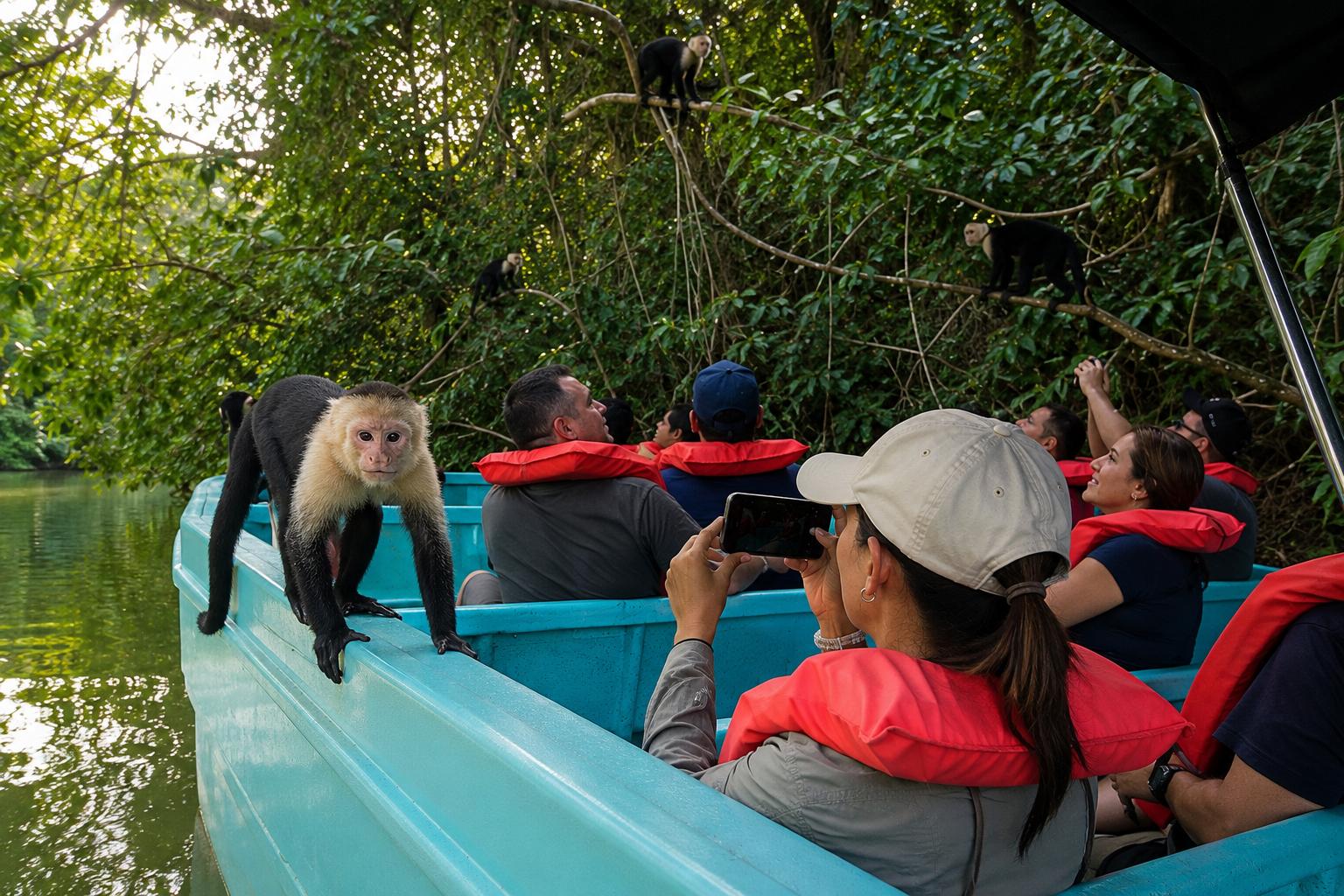
Track sloths by safari truck, cruise Gatun Lake past cargo ships, and meet three monkey species in the wild
Reserve
Wild primate habitat meets tidal forest, an hour from Saigon's center
Hand-picked by our editors — only the best 6 experiences from 42 reviewed
Verified partners for Can Gio Monkey Island tours, free cancellation where available, and instant confirmation on every booking.
5 hr
Track sloths by safari truck, cruise Gatun Lake past cargo ships, and meet three monkey species in the wild
Reserve
5 hr
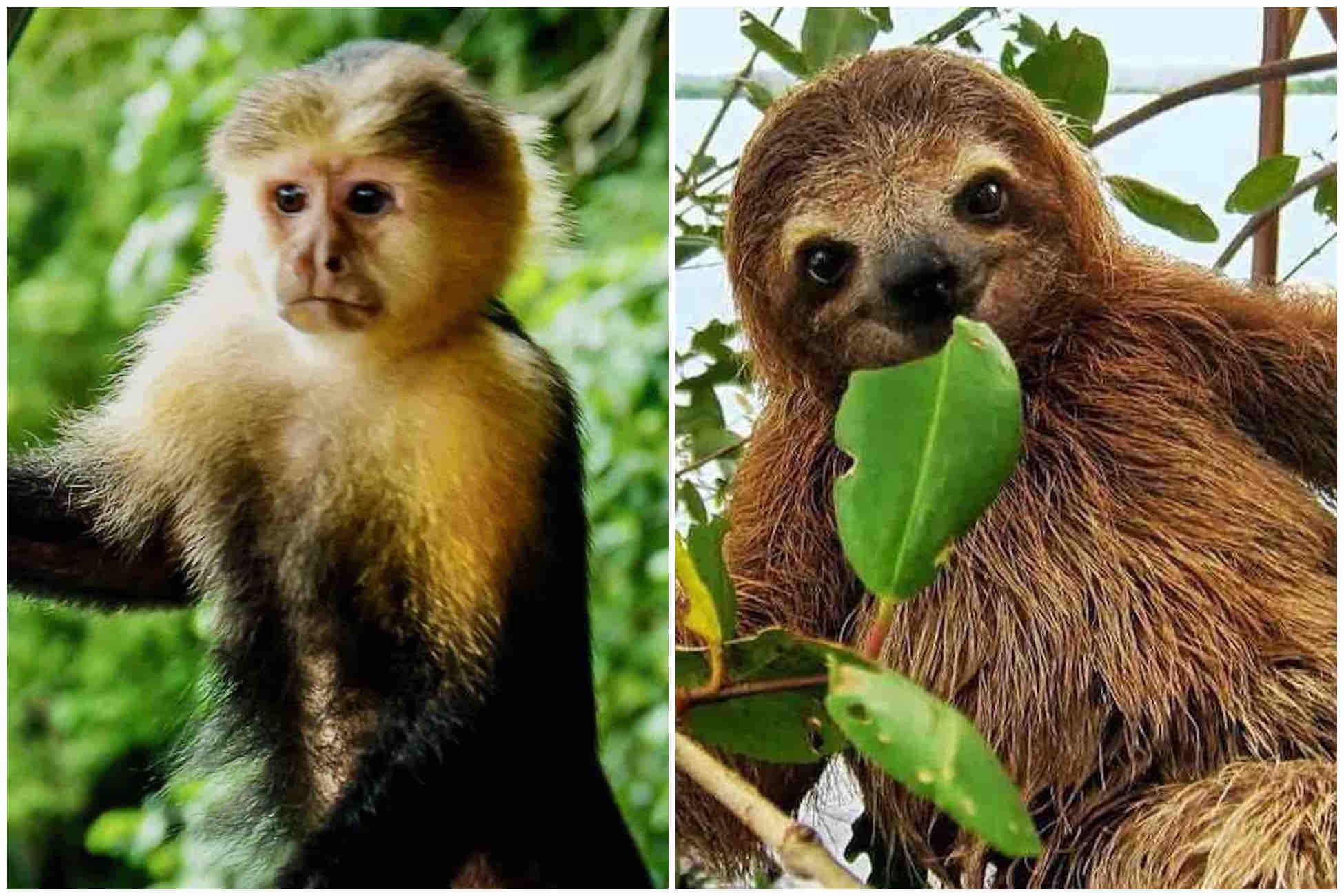
Navigate the Canal by boat, meet playful monkeys and rescue sloths, then explore butterfly, frog, and orchid exhibits
Reserve
5 hr
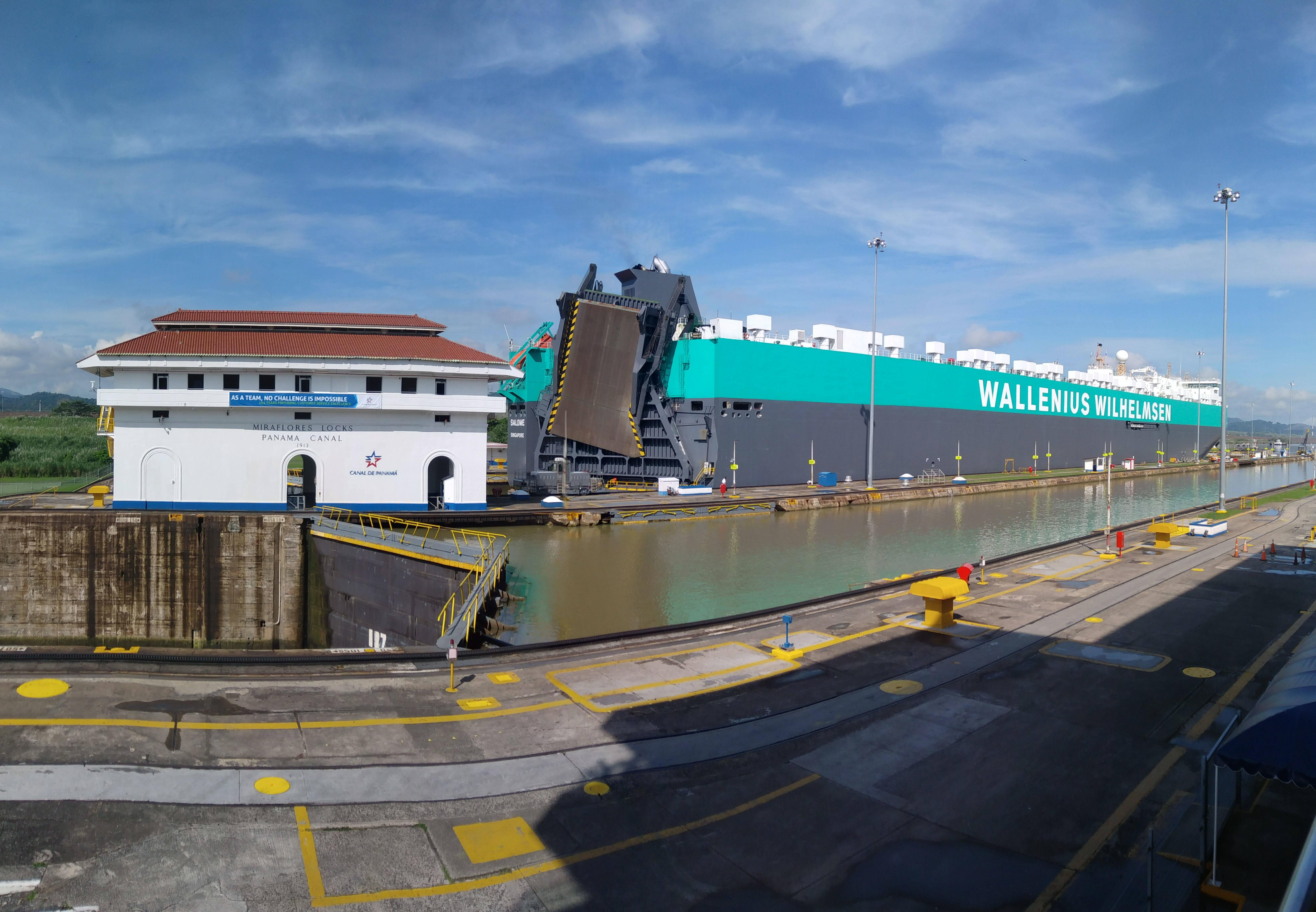
Navigate the engineering wonder of the Panama Canal, cruise Gatun Lake, and meet island monkeys
ReservePrices from verified partners. Availability updates in real time at checkout. Free cancellation policies apply where shown.
The landmarks, rooms, and views travelers on Can Gio Monkey Island tours remember — all visible on a single visit.
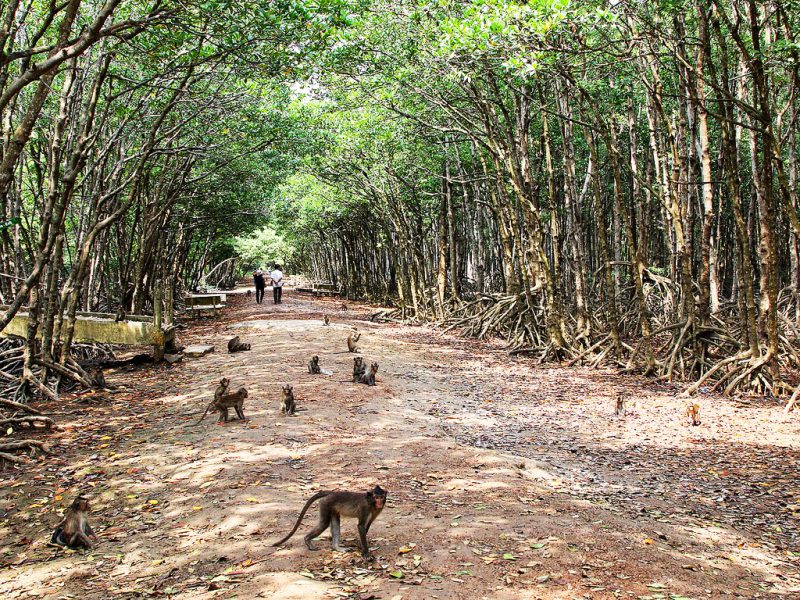
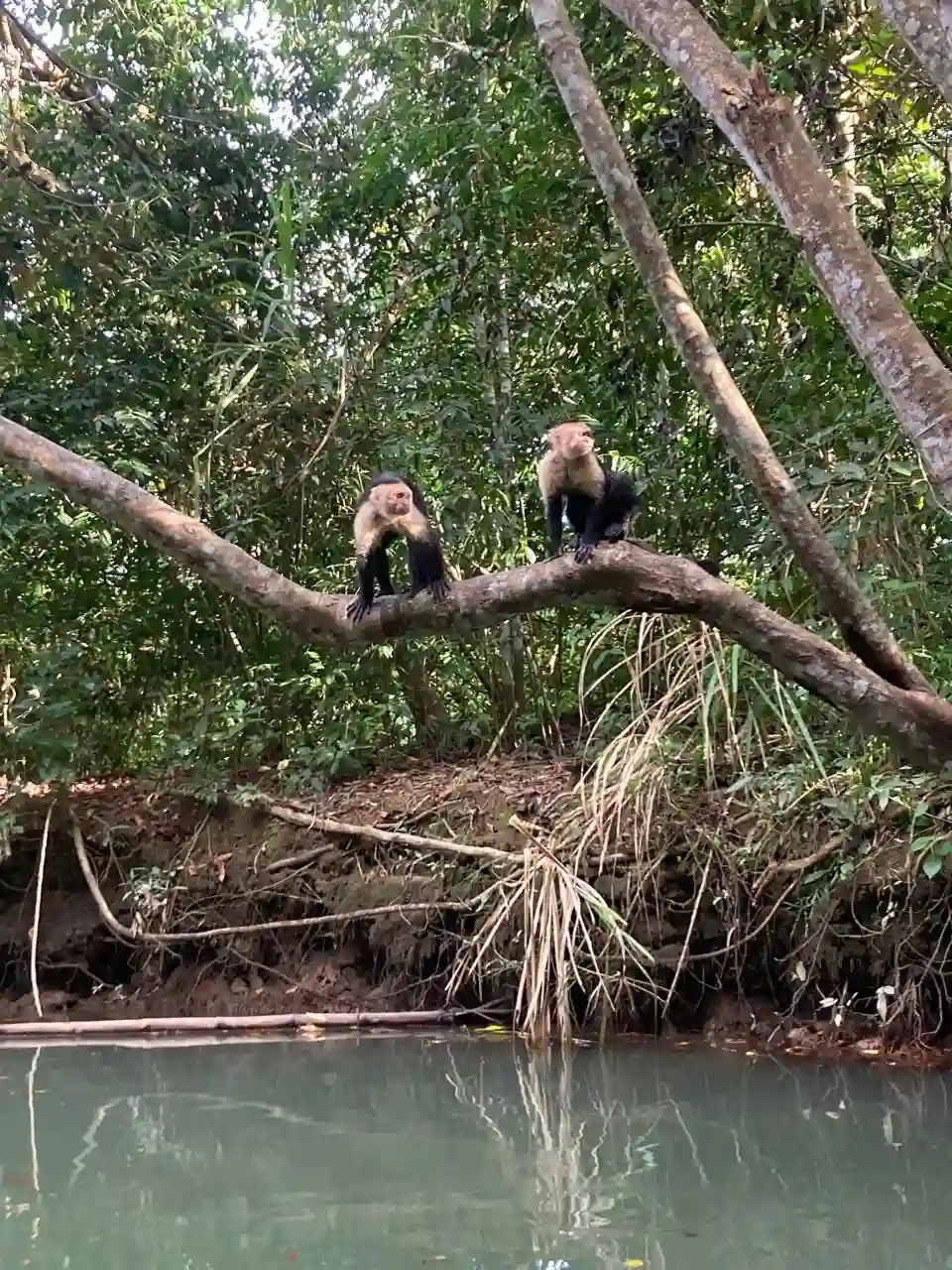
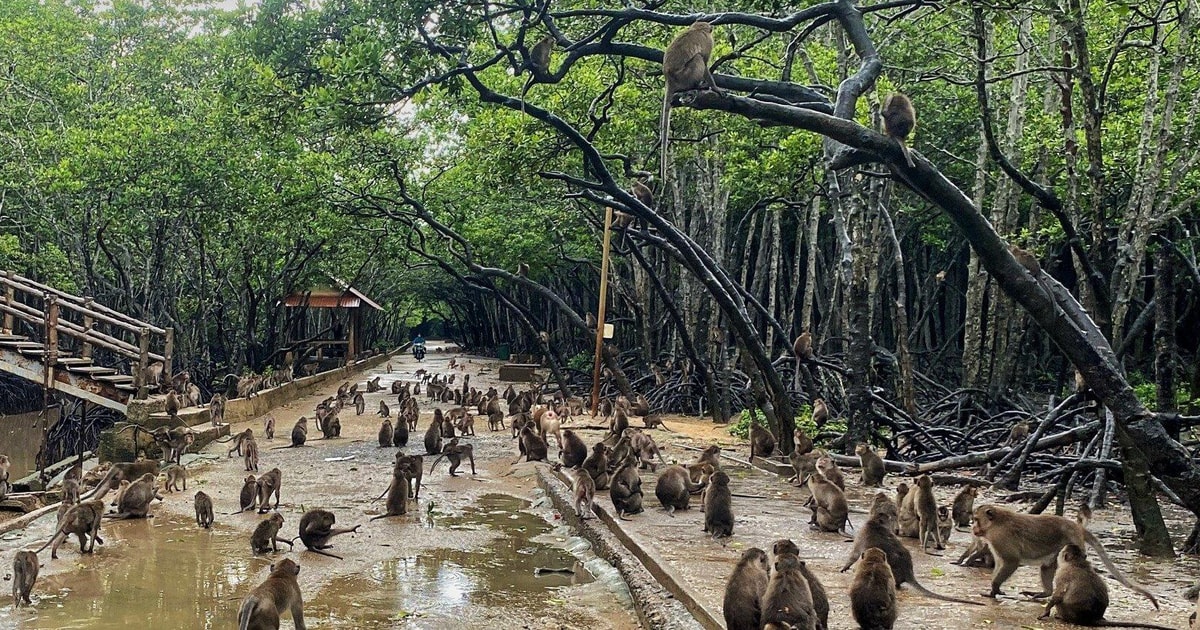
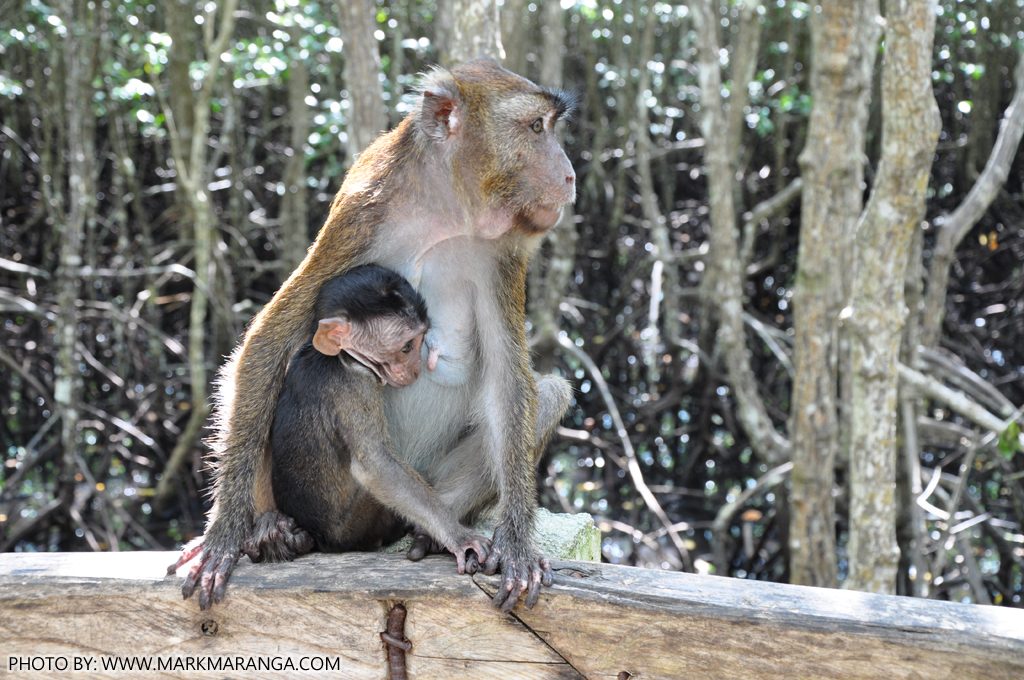
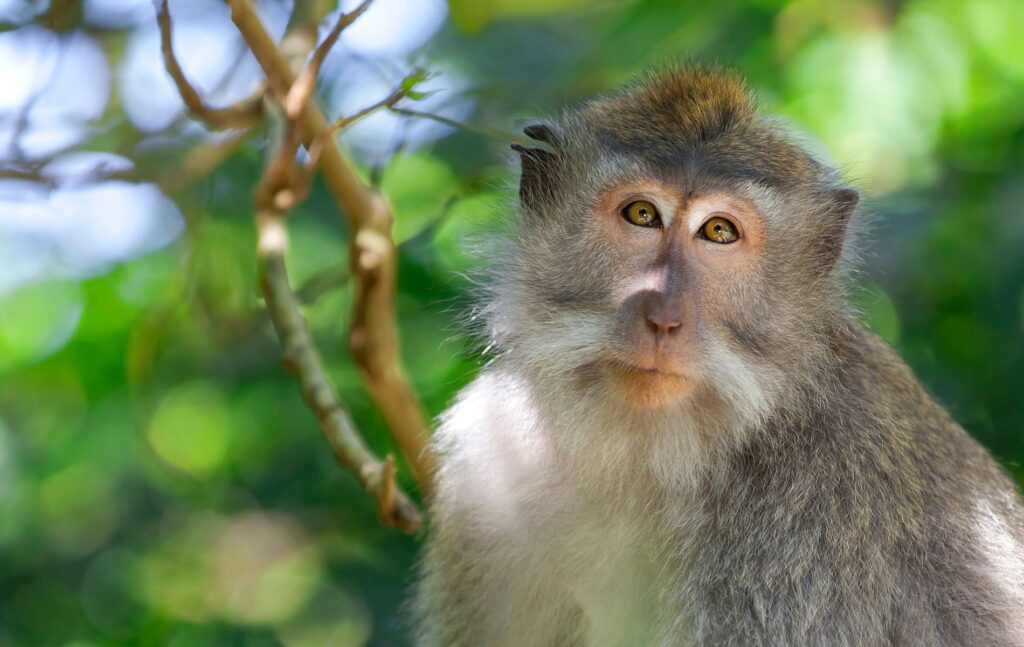
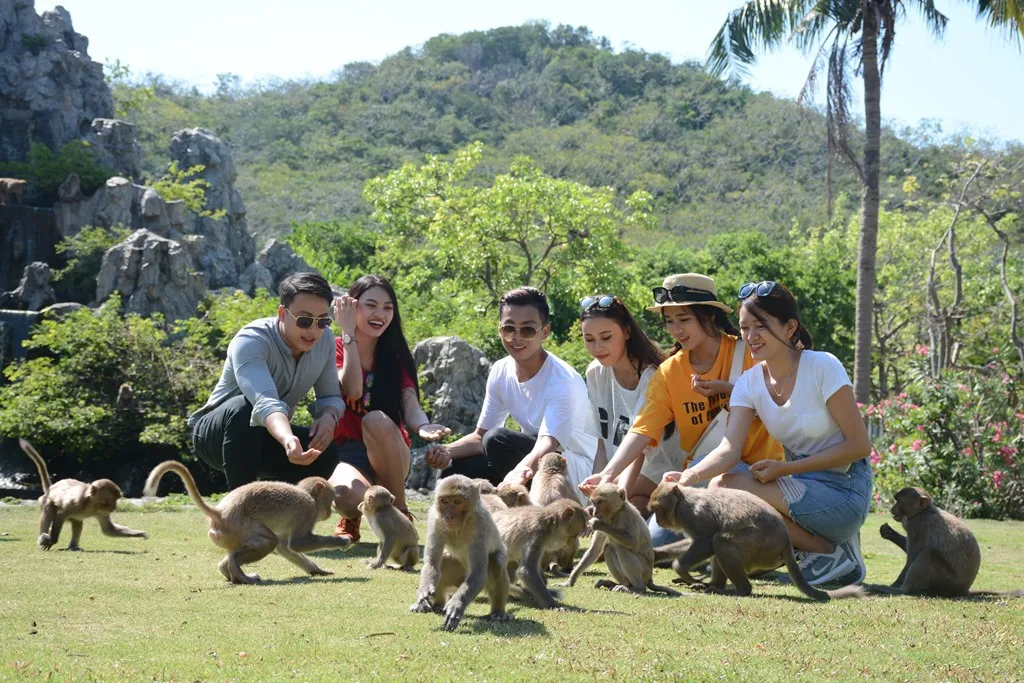
Observe over 1,000 long-tailed monkeys roaming freely in their natural mangrove habitat.
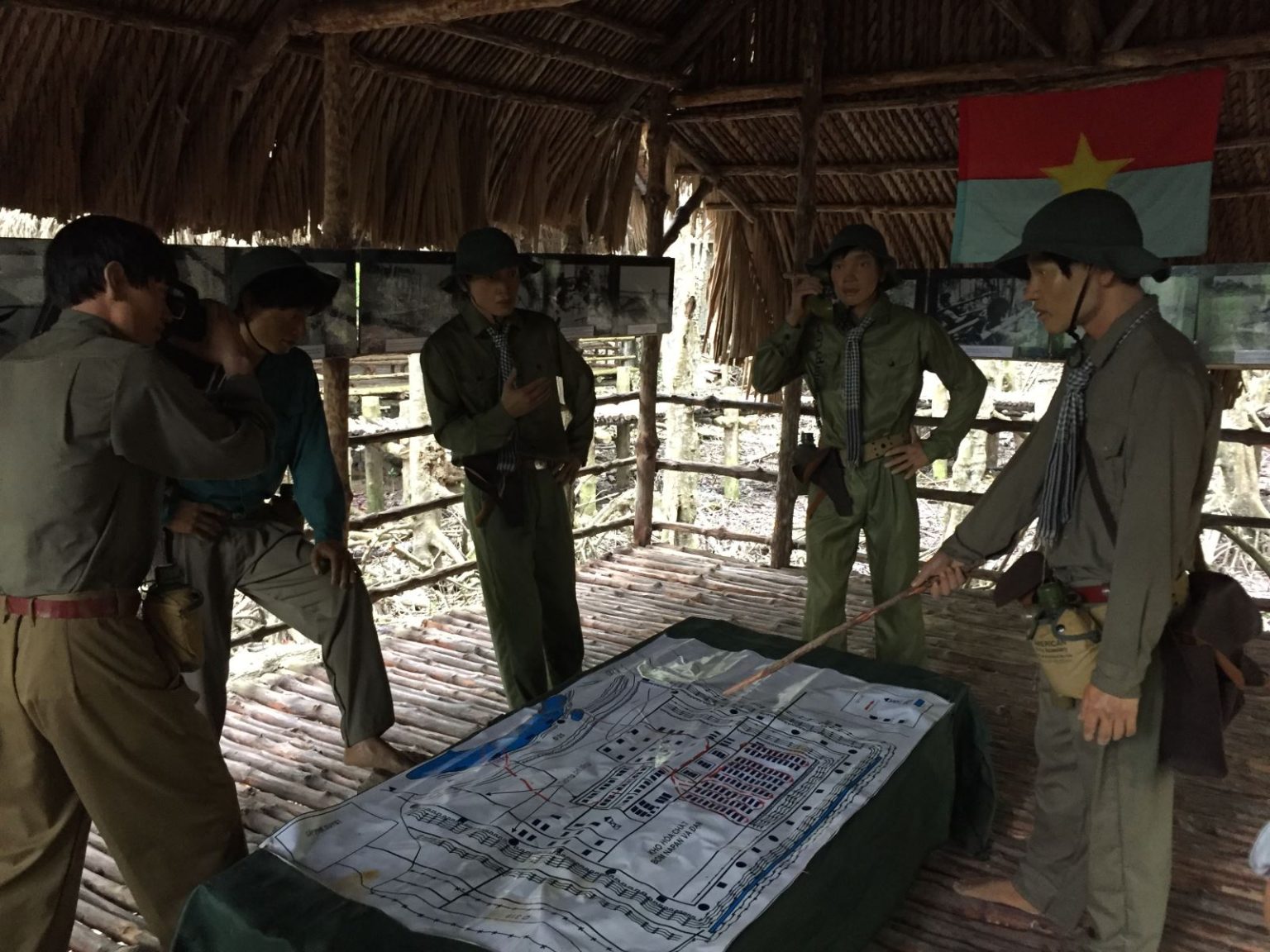
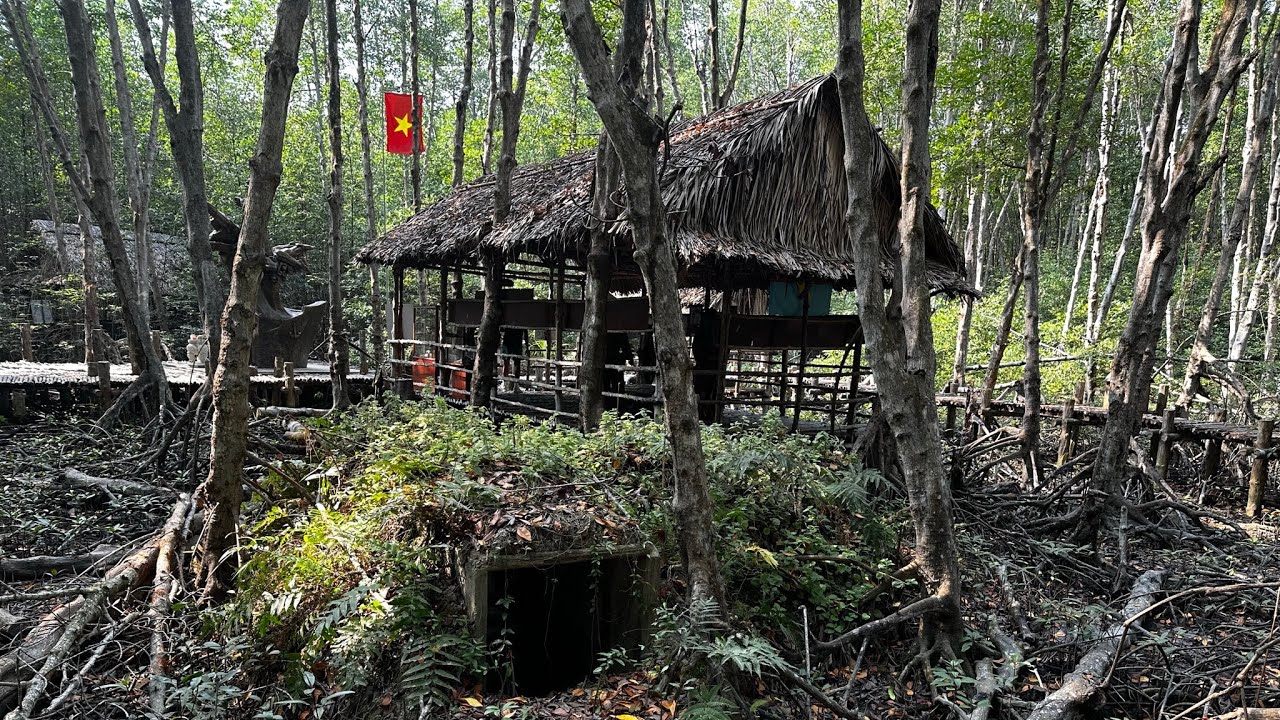
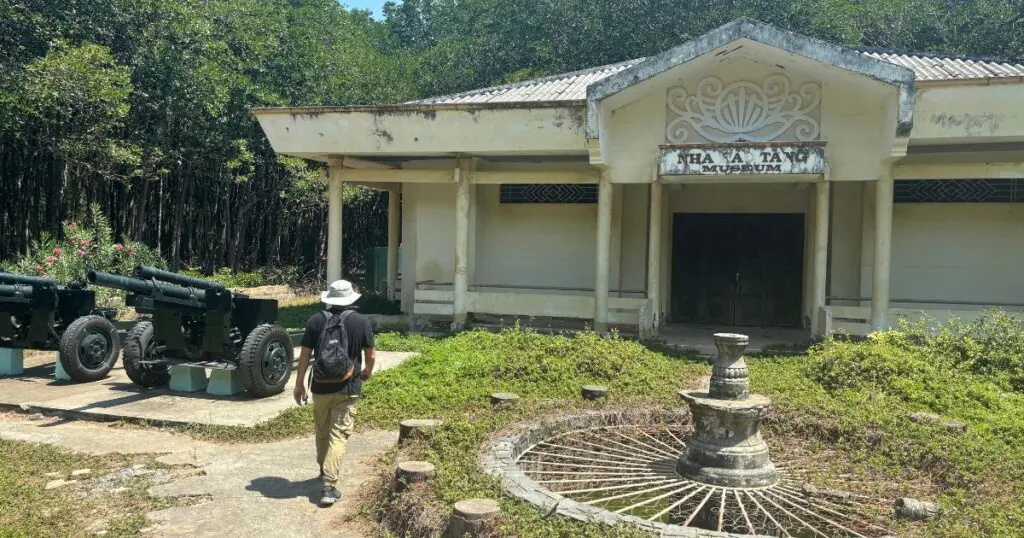
Visit the historic wartime base featuring bunkers and medical huts used by the Viet Cong.
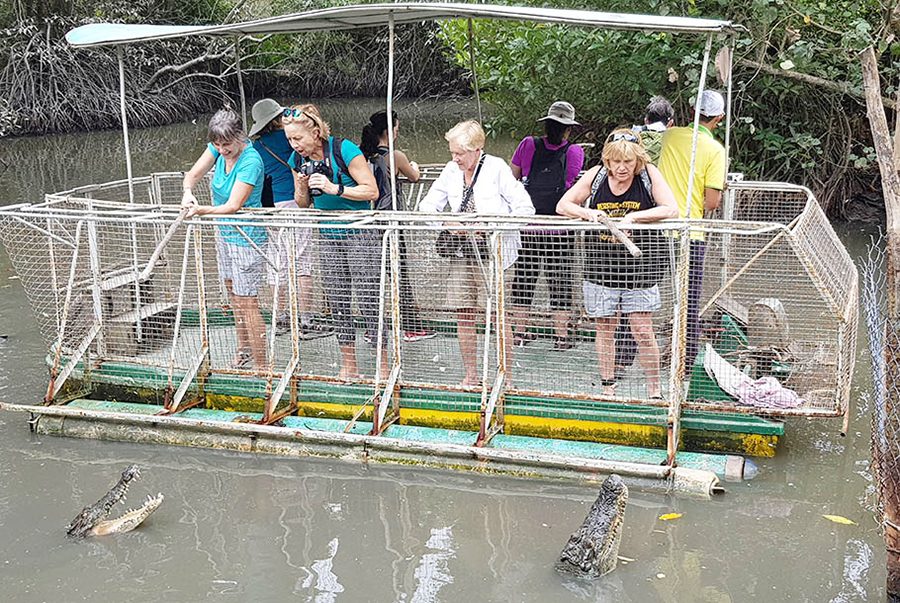
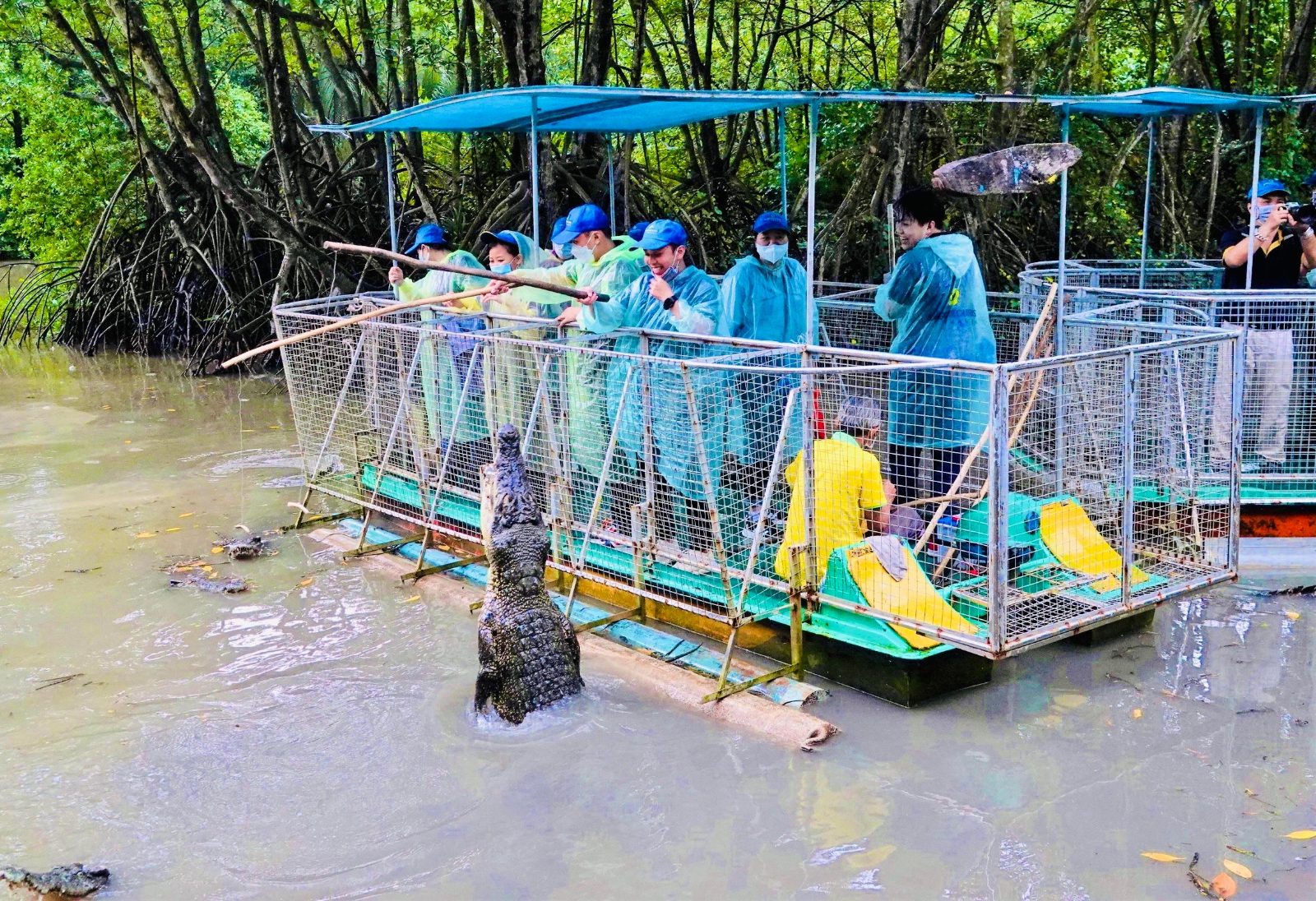
See preserved salt-water crocodiles and learn about the local wildlife sanctuary.
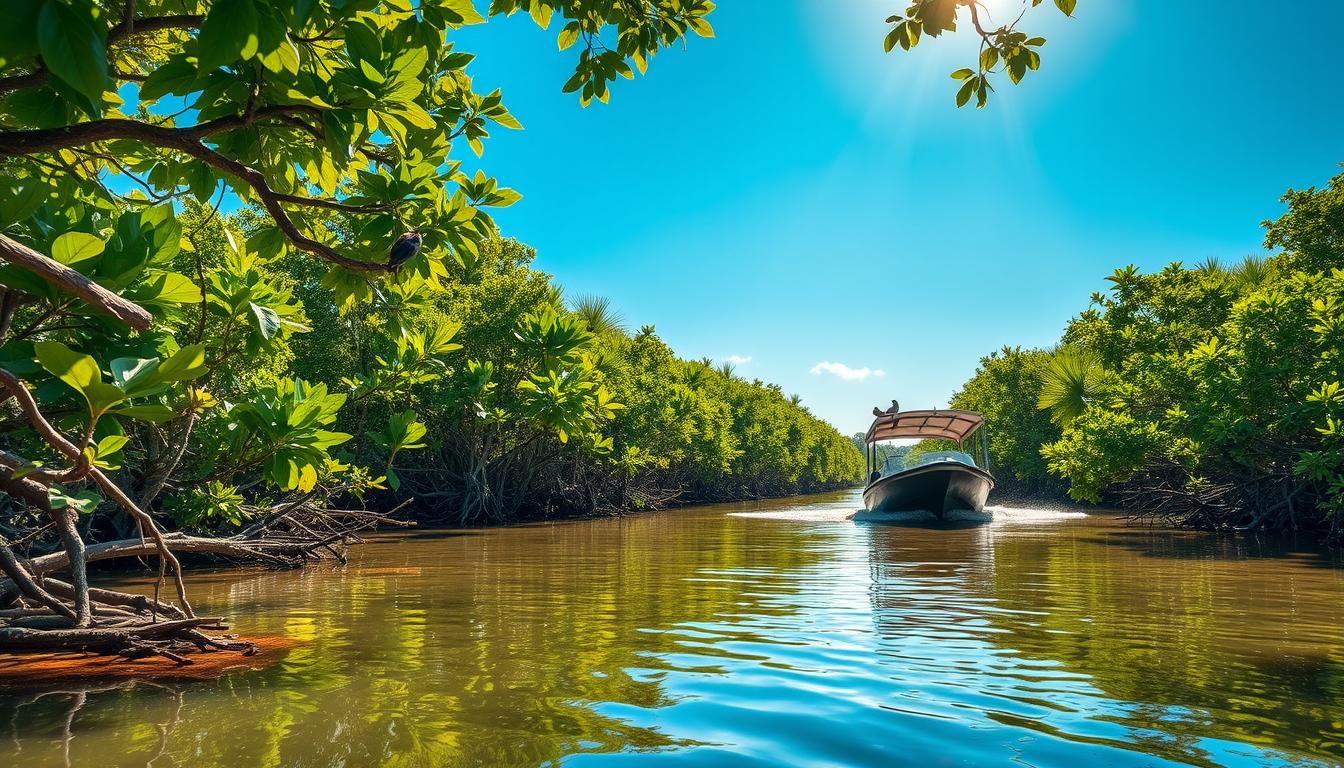
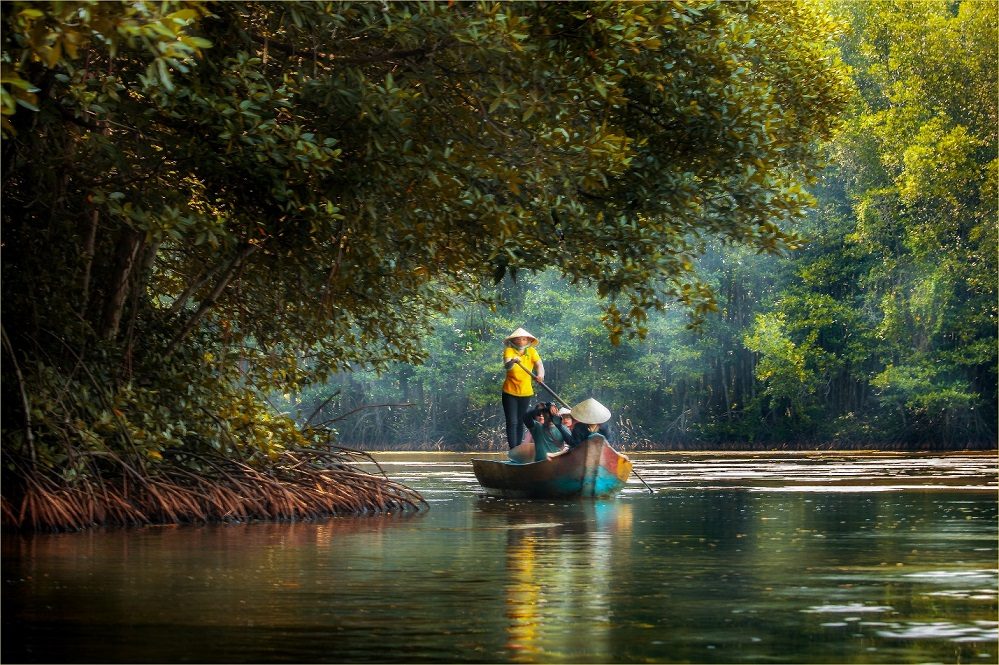
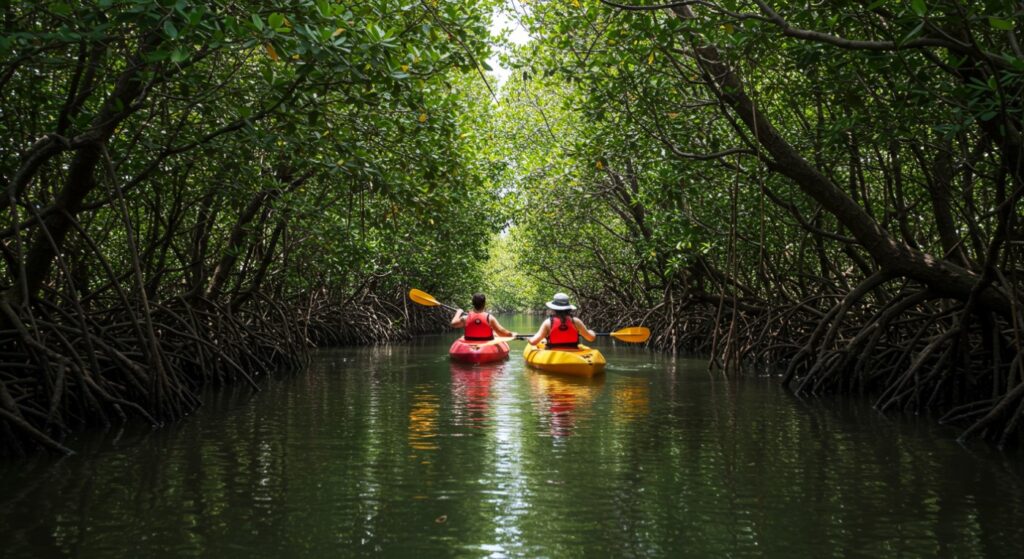
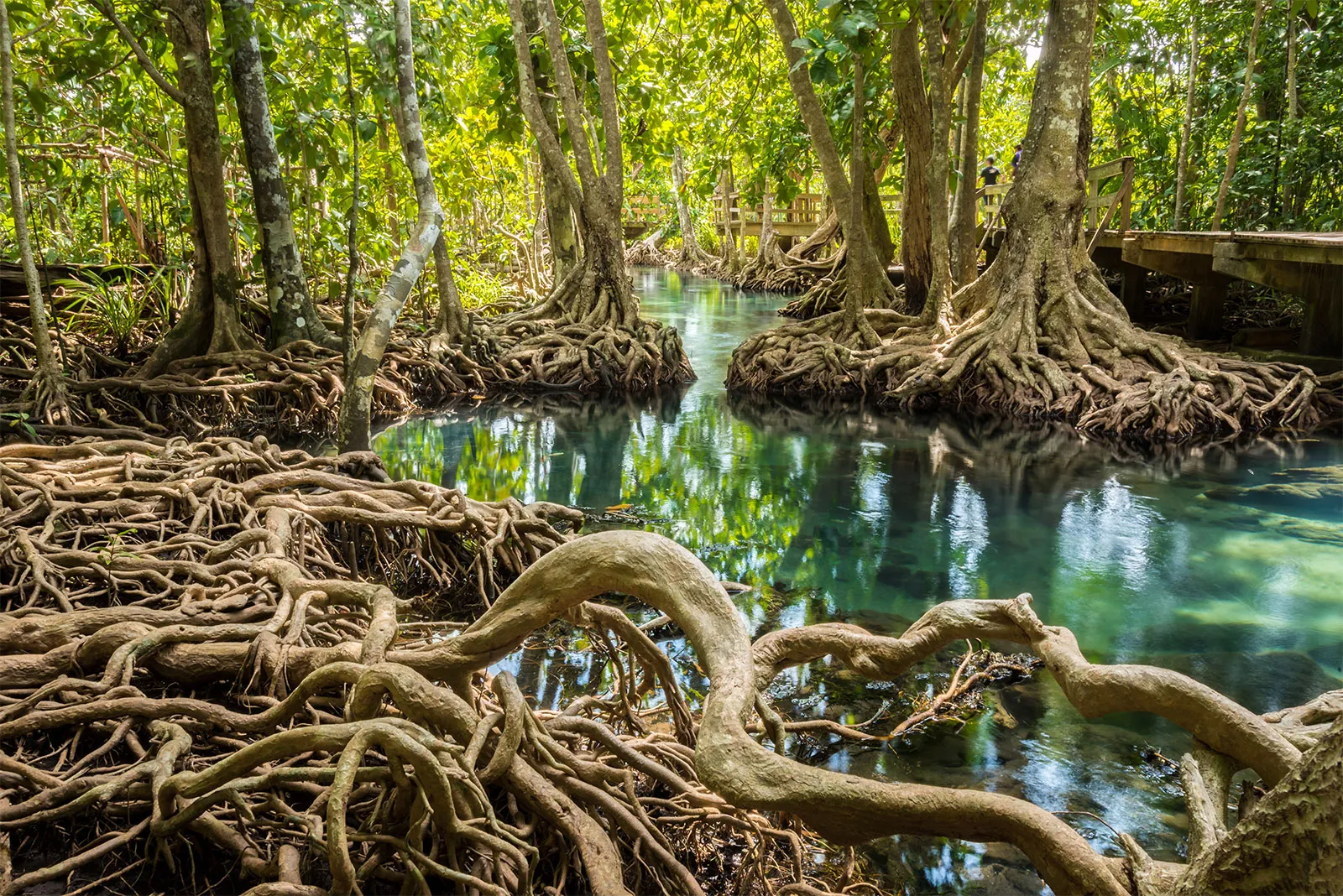
Take a speedboat tour through the dense, UNESCO-protected mangrove forests.
Explore cultural and ecological exhibits about the biosphere reserve.
Every Can Gio Monkey Island tour side-by-side — duration, what's included, how you redeem.
| Experience | Duration | Rating | Transfers | Pickup | Guide | Free cancel. | Price | |
|---|---|---|---|---|---|---|---|---|
|
Standard Entry Most popular
Panama Wildlife Safari & Canal Cruise
|
5 hr | ★ 4.8 | — | ✓ | — | ✓ | €41 | Book → |
|
Standard Entry
Monkey Island, Sloth Sanctuary & Panama Canal Adventure
|
5 hr | ★ 4.7 | — | ✓ | ✓ | ✓ | €128 | Book → |
|
Standard Entry
Panama Canal & Monkey Island Half-Day Adventure
|
5 hr | ★ 4.7 | ✓ | ✓ | — | ✓ | €103 | Book → |
All prices from verified partners. Availability and exact terms confirmed at checkout.
They complement each other; most visitors who do both call the Cu Chi Tunnels the more intensive historical experience, while the Can Gio Mangrove Forest provides a serene escape into nature. Choosing between these excursions depends on whether you prioritize military heritage or regional biodiversity.
| Feature | Top pick Can Gio | Cu Chi Tunnels |
|---|---|---|
Primary Focus |
Wildlife and Mangroves | |
Terrain Type |
Wetlands and forest paths | |
Main Activity |
Wildlife observation and boat trips | |
Physical Intensity |
Low to moderate | |
Historical Significance |
Limited to local wartime events | |
Suitable Audience |
Nature enthusiasts and families | |
| See tickets → |
Verdict: Select your Can Gio monkey island tour tickets if you prefer flora and fauna, whereas the Cu Chi Tunnels offer a deep dive into Vietnam War history for those seeking these Ho Chi Minh City landmarks. Travelers often purchase can gio monkey island tour tours to balance their trip, though those pressed for time should consider if they prefer underground history or the can gio monkey island tour tour experience.
Choose your ticket, select your date, and reserve in under two minutes. Secure checkout handled by our verified partner.
Instant confirmation by email, with a mobile voucher you can save offline. No printing, no queuing at a collection desk.
Arrive at the entrance, show your voucher on your phone, and walk in. Most tickets include priority or skip-the-line access.
Practical details for Can Gio Monkey Island tickets straight from our verified partners — hours, access, rules, and how to get there.
246 De Tham St, District 1
Common pickup for many group tours
Open in Google MapsTake bus 20 to Binh Khanh Ferry, then bus 90 toward Can Gio.
Direct private transfer from Ho Chi Minh City center.
Wear light, breathable clothing suitable for humid mangrove environments and comfortable walking shoes. Modest attire is recommended when visiting the historical sections of the Can Gio Mangrove Forest.
Keep all bags zipped and secure at all times. The monkeys at the can gio monkey island tour are known to snatch unsecured items like glasses, hats, and food.
Photography is encouraged throughout the site, but use caution when filming monkeys. Keep a safe distance and do not use flashes that might startle the wildlife during your can gio monkey island tour.
The terrain in the Can Gio Mangrove Forest features unpaved, uneven forest trails which can be challenging. Facilities may not be fully accessible to visitors with limited mobility.
Mobile phones are permitted. Keep ringer off inside exhibition spaces.
Families are welcome, but children should be closely supervised near the monkeys. The can gio monkey island tour provides educational opportunities about mangrove ecosystems and wartime history.
Local snacks and seafood are available near the entrance and at the nearby beach. It is advisable to carry your own water bottle while exploring the trails of the can gio monkey island tour.
Pets are not allowed, with the exception of service animals with appropriate documentation.
Last entry is typically 1 hour before closing. Check the specific ticket for timing.
Best time to go, insider tips, nearby landmarks, and the cancellation fine print — flip through to skim what matters to you.
How crowds, weather, and events shift across the year.
Ideal weather for exploring forest trails and minimizing rain interruptions.
Lush scenery, though visitors should be prepared for brief tropical showers.
07:00–10:00 arrival avoids peak heat and large crowds.
Quieter periods compared to weekend rush hours for a can gio monkey island tour.
Small details that turn a good visit into a great one.
Monkeys are experts at stealing items; keep phones and cameras inside bags until ready to use.
Follow designated trails to avoid disturbing the sensitive mangrove ecosystem.
Do not attempt to touch or feed the monkeys directly as they can be aggressive.
The canopy offers shade, but the humidity is high; bring plenty of water.
Binh Khanh ferry crossings can have queues; factor this into your travel time.
Visit the nearby Hang Duong Market for fresh seafood, but check prices before purchasing.
Non-bookable sights within a short walk — free to visit, easy to pair.
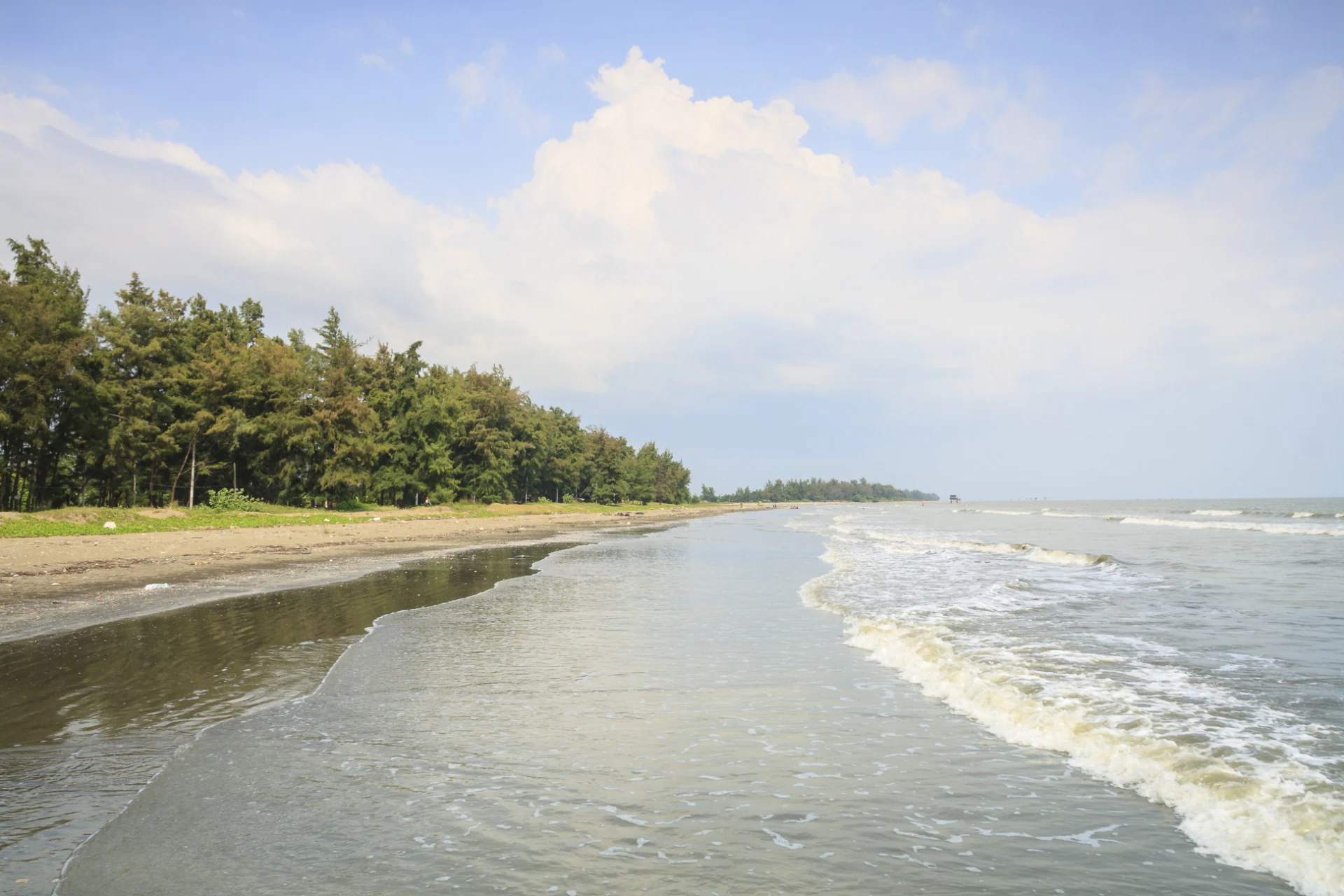
A public coastal area perfect for relaxing after a jungle trek.
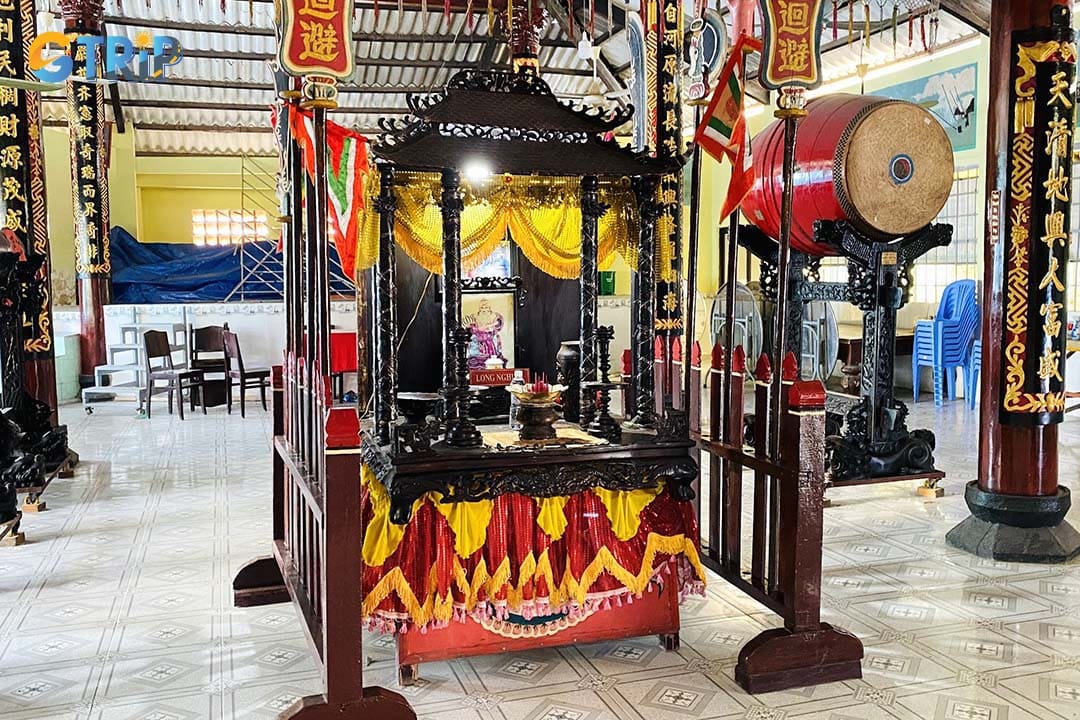
A traditional worship place housing a whale carcass.
Alternative site offering kayaking and paddleboarding.
Features bird nesting areas and a lookout tower.
Flexible, no hidden fees.
Full refunds are typically available for a can gio monkey island tour when canceled at least 24 hours in advance. Always check specific operator terms regarding the 35,000 VND (Entrance fee per person for the Rung Sac Tourism Area) if booked as part of a package.
Hand-picked options within walking distance — pick a district for vibe, or a specific hotel for convenience.
Coastal resort near the beach and local amenities.
Quiet accommodation nestled within the mangrove environment.
Local stays offering an authentic experience of the district.
The long-tailed macaques of Can Gio arrived as war refugees.
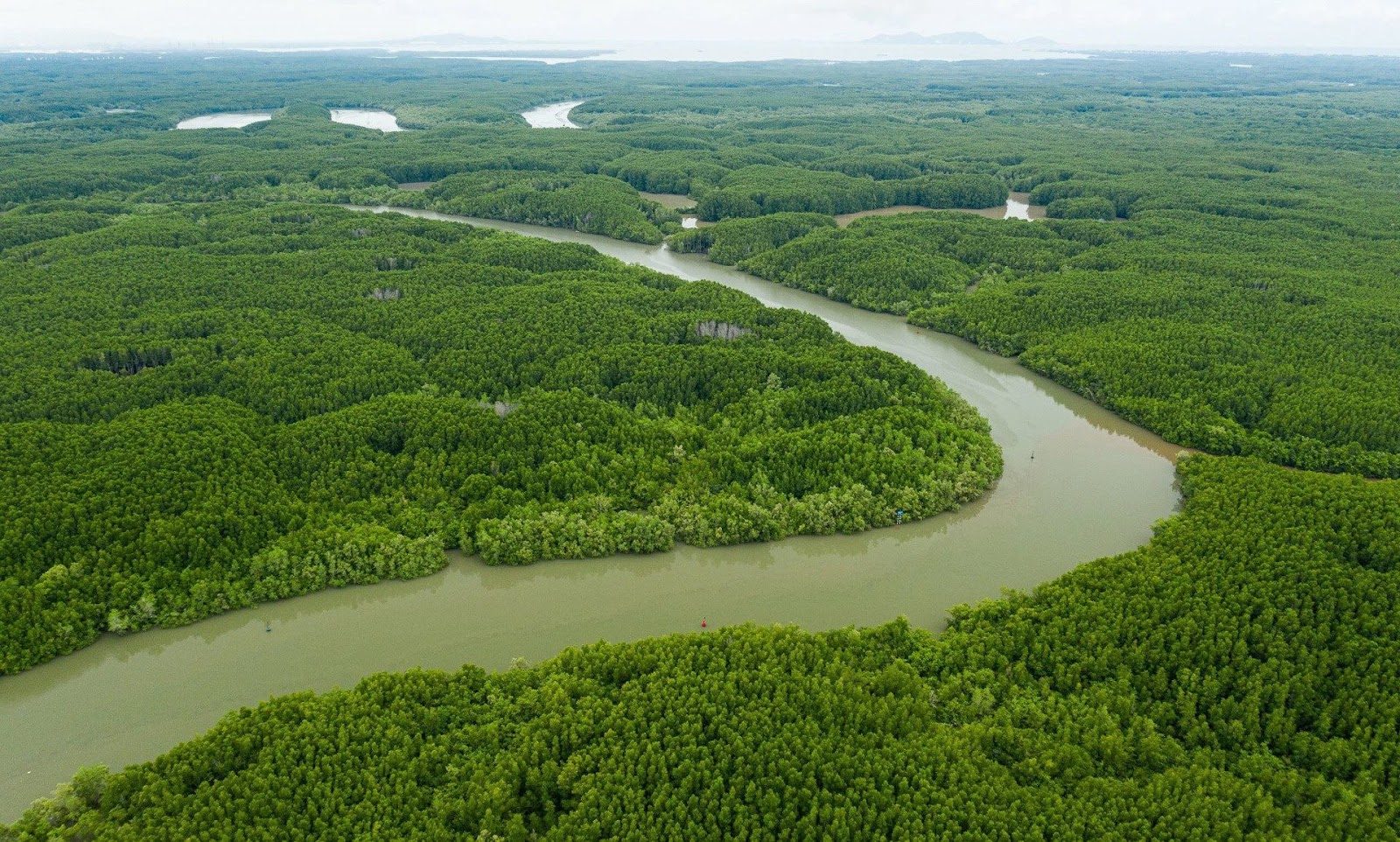
When American herbicides stripped the coastal mangroves bare in the 1960s, populations of Macaca fascicularis retreated deeper into the Rung Sac forest, a 75,000-hectare labyrinth of tidal channels and nipa palm that the Viet Cong had used as a guerrilla corridor. By 1978 the forest was skeletal, the monkeys scattered. UNESCO designated the recovered biosphere a World Heritage site in 2000, recognizing three decades of replanting that returned over 20 million mangrove seedlings to the delta. Today the macaque troops number roughly 1,200 individuals across the tourism zone, habituated but not tame, foraging along elevated boardwalks that thread through Rhizophora and Avicennia stands.
Can Gio sits 50 kilometers southeast of downtown Ho Chi Minh City, accessible via the Saigon River ferry crossing at Binh Khanh. The journey itself is instructive: rice paddies give way to salt pans, then to the stilt-root architecture of the mangroves. The Rung Sac Tourism Area, the formal name for the Monkey Island complex, functions as both conservation project and controlled-access habitat. Visitors walk timber causeways suspended above the pneumatophores—the knobby breathing roots that perforate the mud at low tide. The macaques descend from the canopy in loose hierarchies, males weighing up to seven kilograms, infants clinging to their mothers' flanks. Park rangers distribute small rations of fruit to prevent aggressive behavior, a managed interaction that answers the question many travelers pose on forums like Reddit: is Monkey Island dangerous? The short answer is no, provided visitors follow proximity rules and secure loose items.
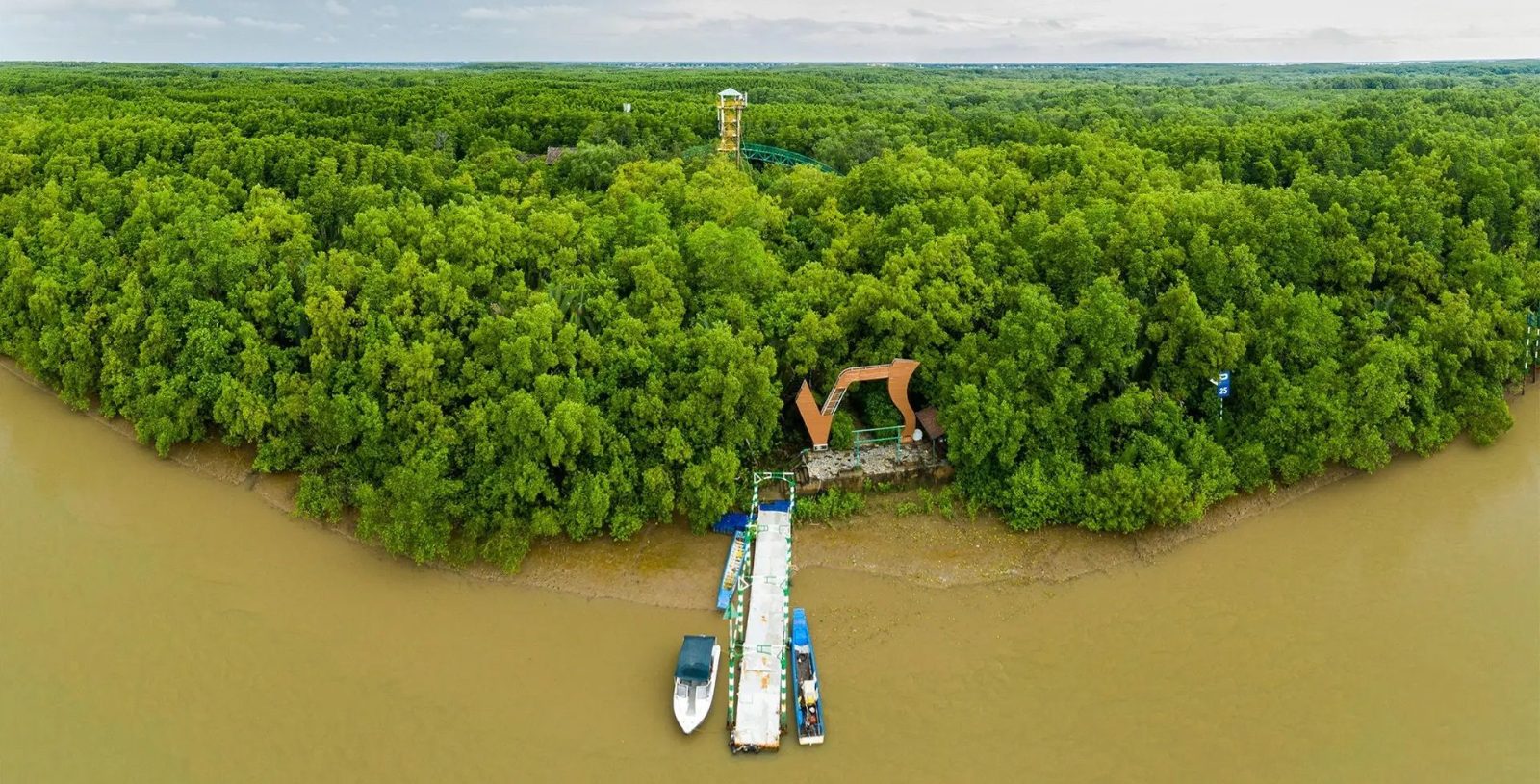
Beyond the primate corridors, the site includes a crocodile conservation pond housing Crocodylus porosus, the saltwater species native to these estuaries, and a 26-meter observation tower offering a canopy-level view of the delta's geometry. The forest itself is the deeper attraction. Mangroves filter sediment, buffer storm surge, and sequester carbon at rates that rival tropical rainforests. Walking the planks at dawn, when the tide is low and the mud crabs emerge, visitors witness an ecosystem in active repair. The question can you still play Monkey Island here is less about entertainment and more about proximity to a working biosphere—one where human impact is visible in both damage and recovery.
Entry to the Rung Sac Tourism Area is priced at 35,000 VND per person, a fee that supports replanting and ranger patrols. The site opens at 07:00 and closes at 17:00 daily, with early arrival recommended to avoid midday heat and tour bus saturation. Those asking is Monkey Island open should note that seasonal closures are rare; the mangroves operate year-round, though monsoon months from May to November bring heavier rainfall and muddier trails. The experience is deliberately unhurried—no rides, no feeding shows, just boardwalks and observation posts. For travelers seeking a Can Gio Monkey Island Vietnam itinerary that balances wildlife encounter with ecological context, the forest delivers both, quietly and without spectacle.
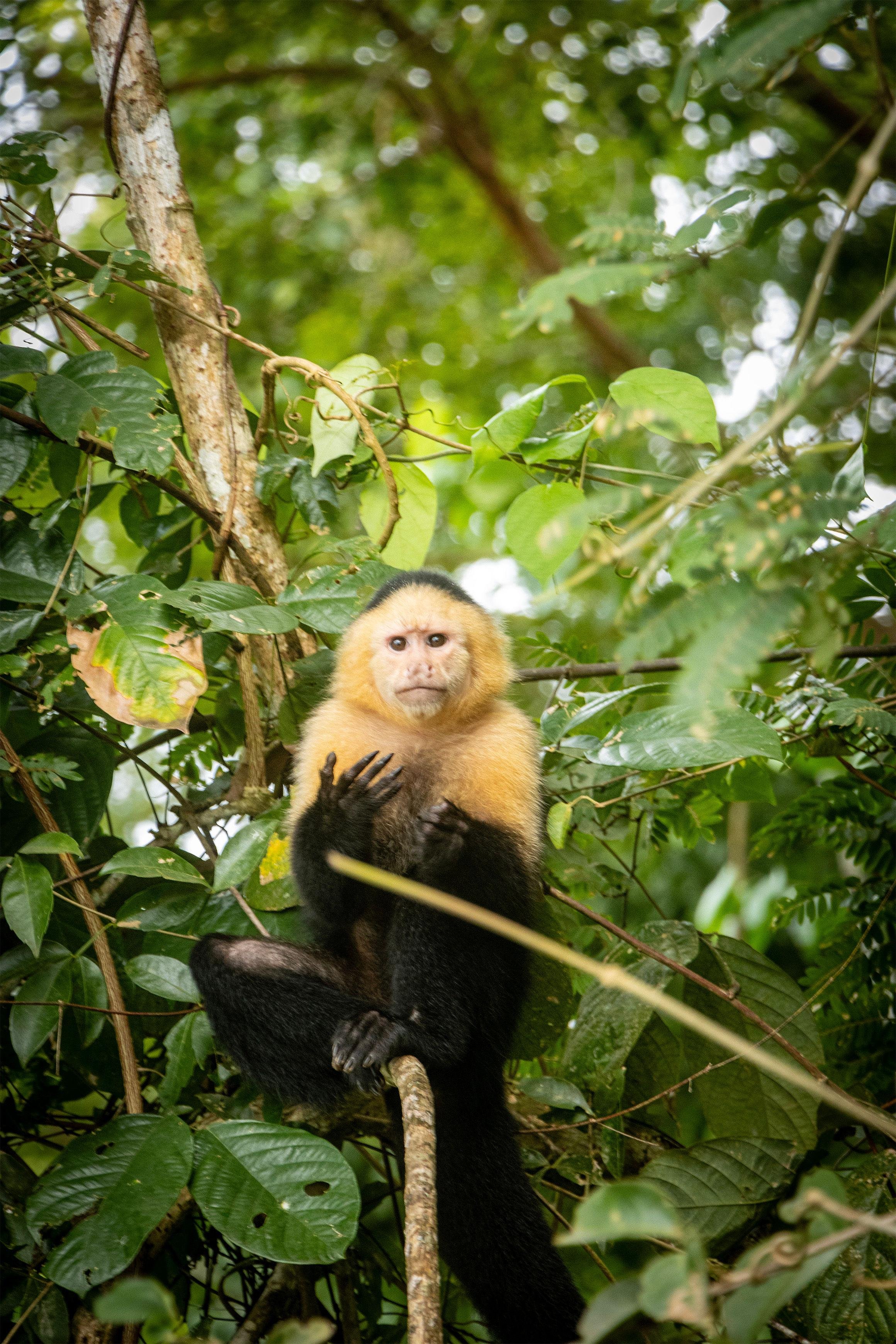
"The macaques descend from the canopy in loose hierarchies, a managed interaction within an ecosystem in active repair."
A step-by-step walkthrough of Can Gio Monkey Island tickets — what you'll see, how long each stage takes, and the details that matter.
You board the ferry at Binh Khanh just after dawn, the Saigon River still silver with mist. The crossing takes fifteen minutes; motorbikes and minibuses jostle on the ramp.
By the time you reach the Rung Sac gate on the Can Gio Monkey Island tour route, the sun has burned through and the air smells of salt and wet bark. You pay the 35,000 VND entrance fee and step onto the first boardwalk, a timber causeway that stretches into the mangrove canopy.
The macaques appear within minutes. A troop of twelve, led by a scarred male, threads through the aerial roots and drops onto the rail ahead. You stop. They assess you with amber eyes, then move on, uninterested. A ranger gestures you forward, pointing out the breathing roots that spike through the mud below—pneumatophores, he says, organs of gas exchange. You climb the observation tower at the forest's center, a 26-meter platform that reveals the delta's interlocking channels and the replanted grids stretching toward the coast. On the descent you pass the crocodile pond, where a five-meter saltwater specimen basks motionless on a concrete bank. By mid-morning you've walked two kilometers of elevated trail, your shoes dry, your proximity to wildness undeniable.
The Rung Sac Tourism Area is open daily from 07:00–17:00.
The entrance fee is 35,000 VND (Entrance fee per person for the Rung Sac Tourism Area); verify if this is included in your booking.
The best arrival window is 07:00–10:00 to avoid heat and crowds.
There are no specific age restrictions, but the terrain requires moderate physical activity.
Do not feed the monkeys, as they are wild animals that can be aggressive.
Wear light, breathable clothing and sturdy walking shoes suitable for humid forest trails.
Yes, there are local seafood options and small vendors near the site.
Most visitors spend 3–4 hours exploring the key sights, though full-day trips are common.
It is highly recommended to visit with a guide or join an organized can gio monkey island tour for safety and logistics.
Check your operator's policy; usually, you can cancel up to 24 hours in advance for a full refund.